
I've been a cosmetic chemist for over 25 years and have come to love the process of creating personal care and beauty products. It appeals to my interest in science, it lets me invent things, it leads to the creation of products that can be used every day, and those products make people happy. As far as careers in science goes, it is excellent. 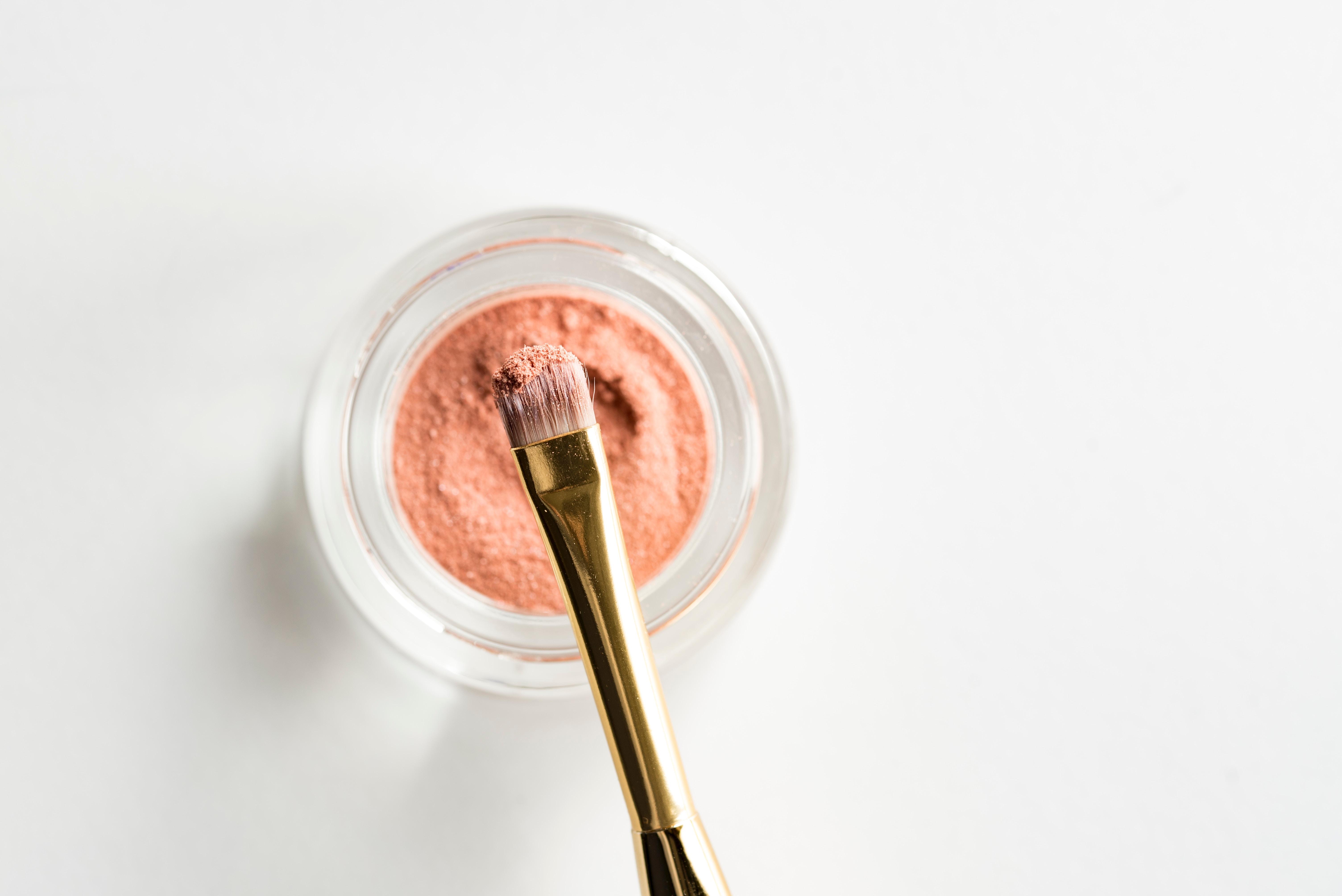
Many people find this website when searching for tips on how to make cosmetics. I'm happy to provide information and love encouraging and inspiring anyone who wants to learn cosmetic science. However, sometimes people spend time, money and energy learning how to make cosmetics when that's not really what they want to do. In fact, there are times when it makes sense to learn how to make cosmetics but there are also times when it is probably a waste of time. Let's look at those.
When you should learn to make cosmetics
Cosmetic chemist career - If you want to work in the cosmetic industry as a cosmetic chemist or other scientist, it makes a lot of sense to learn how cosmetics are made. There are a number of places you can learn formulating and here we've listed cosmetic science programs around the world. You don't necessarily need to get an advanced degree in cosmetic science but it will give you an advantage over other candidates that don't have one. But if you have a degree in chemistry or biology and want to start interviewing in the cosmetic industry, you'll benefit from going through an online course like our Practical Cosmetic Formulating course. It's a good introduction to the subject and is taught by someone who actually worked in the cosmetic industry. Working in the cosmetic industry - Not everyone who works in the cosmetic industry is looking to become a cosmetic formulator. Some people want to sell cosmetics or raw materials, or they want to work in the QA/QC departments. If you are in the cosmetic industry but are not a formulator, it still makes sense to learn how the products are made. This can help you in a number of ways. For example, if you are a salesperson for products or cosmetic raw materials, learning how the products are made will give you an excellent sense of the challenges your customers face. It will also give you ideas on where you can provide solutions. If you are in marketing learning how the products are made will let you know what types of claims you can make and the limits of what is technologically possible. If you are starting your own cosmetic line it can also be helpful to know how the products are made. This will allow you to pick the right suppliers and avoid getting taken advantage of by some industry suppliers. However, as we'll see later, learning to formulate will not be the most important thing for you if you're starting your own cosmetic line. Looking for an interesting hobby - Another reason for learning how to formulate is if you want to pursue it as a hobby. Creating cosmetics can be a lot like cooking. But instead of working with flour, butter, and sugar, you work with emollients, cosmetic thickeners, and surfactants. Making your own products will require you to get some equipment and purchase raw materials, but there are thriving online DIY groups that can help guide you. Of course, there is a lot of misinformation published online but you can learn a lot from websites like ours or even Point of Interest. The nice part about this hobby is that you can actually use the products you create.When you don't need to learn to make cosmetics
While I like to encourage everyone to learn how to make cosmetics, there are certainly cases in which you don't need to learn how the products are made. In fact, there are times when learning how to formulate is really just a waste of time.
Cosmetic science is an interesting subject and one I encourage everyone to learn about. If your goal is to become a cosmetic chemist, work in the cosmetic industry, or have a fun hobby then by all means, learn how to formulate. But if you want to save money or start your own product line, making your own beauty products is not the best idea. Leave that to the professionals.
Joanna KosinskaLearn more: This topic is covered in depth in our The Complete Guide to Cosmetic Formulation.
Related Reading
Comments are read-only. Join the discussion on the Chemists Corner Forum.